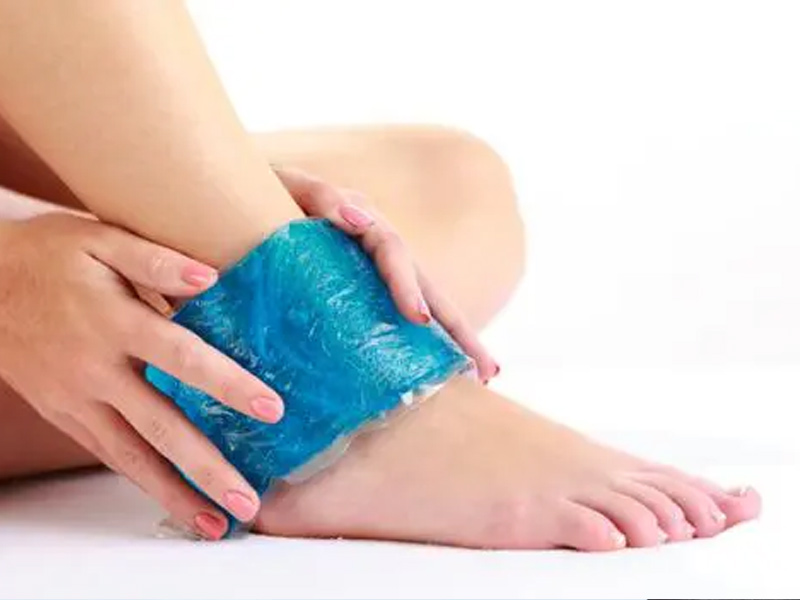
Contrast therapy is a method of alternating cold therapy and moist heat therapy to optimize the healing process in tendonitis. The benefits of cold therapy include inflammation reduction and pain control. The benefit of moist heat therapy is increasing circulation, which speeds the healing and sweeps away inflammation. The timing within the healing process to use contrast therapy is important and should be followed correctly.
Initially first 36 hours after an injury, research shows that moderate cold therapy is beneficial in preventing excess inflammation and pain control. If used after this point, it is actually inhibits the healing process. After 36 hours, the goal is now to increase circulation to speed healing and sweep out the leftover swelling. Heat therapy alone is effective at this and has been the standard of care for many years. New research is showing that Contrast Therapy is even more effective than traditional heat therapy at stimulating healing and decreasing chronic inflammation. When used in combination with dietary modifications optimal recovery of chronic swelling can be achieved.
How to Perform
You will need an ice pack or back of ice, a microwavable moist heat pad, and a wet towel. Wrap the ice pack in a towel soaked in cold water then heat up your moist heating pad.
Here is a basic pattern of how to apply contrast therapy:
- Begin with 1 minute of cold
- Apply 5 minutes of heat
- Apply 1 minute of cold
- Apply 5 minutes of heat
- Apply 1 minute of cold
- Apply 5 minutes of heat
- Finish with 1 minute of cold
Hot and cold therapy should be carried out one to two times per day until the injury has healed. I have also found benefit in soaking the wet towel in a mix of Epsom salts and water before use. It is a good idea to keep the wet towel in the freezer with the ice pack for ease of reapplication.
Physiologic Effects of Contrast Therapy
Contrast therapy — alternating applications of heat and cold — has been used for centuries to manage pain, reduce inflammation, and promote healing. Its effectiveness comes from the way temperature changes influence the body’s physiology. Cold therapy (cryotherapy) causes vasoconstriction, narrowing blood vessels in the treated area. This reduces blood flow, decreases swelling, and slows nerve conduction, which helps limit pain and acute inflammation. In contrast, heat therapy (thermotherapy) produces vasodilation, widening blood vessels and increasing circulation. This promotes oxygen delivery, nutrient exchange, and the removal of metabolic waste products from tissues. When applied in an alternating sequence, the rapid shift between cold- and heat-induced vascular responses acts like a “pumping mechanism,” stimulating circulation more effectively than either treatment alone. This enhanced blood flow can accelerate the healing of soft tissue injuries, reduce muscle spasms, and improve flexibility in stiff joints or muscles.
Physiologically, contrast therapy also affects the nervous system. Cold has a numbing effect on pain receptors, while heat relaxes muscles and triggers parasympathetic activity, reducing stress and tension. Alternating the two may balance sympathetic and parasympathetic nervous system activity, providing both calming and energizing effects. Additionally, some research suggests contrast therapy can reduce delayed onset muscle soreness (DOMS) after intense exercise by improving microcirculation and reducing the accumulation of inflammatory byproducts. While the therapy is not a cure-all and should be used carefully in patients with vascular or sensory impairments, it is widely regarded as a safe and effective adjunct to recovery. For athletes, individuals with chronic musculoskeletal conditions, or those rehabilitating from injury, contrast therapy provides both short-term pain relief and long-term physiologic benefits that support healing and improved performance.