Introduction
When most people think about mold, they imagine fuzzy green patches on bread or black streaks on damp drywall. But the real danger of mold often isn’t what you can see, it’s the invisible chemical toxins molds produce. These toxins, known as mycotoxins, can accumulate in homes, workplaces, and even food, leading to a wide array of chronic health issues.
In this article, we’ll explore:
- What mycotoxins are, and how they differ from mold spores
- The different types of mycotoxins, their chemistry, and their effects on the human body
- How mycotoxins damage organs, the immune system, and hormones
- Evidence-based strategies to detoxify the body and support recovery
- Practical steps for prevention and long-term health
By the end, you’ll have a clear roadmap for understanding mycotoxins and health — and how to protect yourself.
Mold Spores vs. Mycotoxins
Before diving into the specific toxins, it’s critical to understand the difference between spores and toxins.
- Mold Spores are like seeds — reproductive units that travel through air and grow in damp environments. They primarily trigger allergic reactions, asthma, sinus congestion, and sometimes infections.
- Mycotoxins, by contrast, are toxic secondary metabolites — chemical weapons molds produce under stress. Unlike spores, they are not alive. They bind to dust, persist in the environment, and cause systemic illness in humans, ranging from immune suppression to cancer.
👉 In short: Spores cause respiratory irritation, while mycotoxins cause whole-body toxicity.
The Major Mycotoxins: Chemistry and Health Impact
Laboratories test for a panel of key mycotoxins commonly found in water-damaged buildings and contaminated foods. Below is a breakdown of what each toxin is, its chemical structure class, and its biological effects on health.
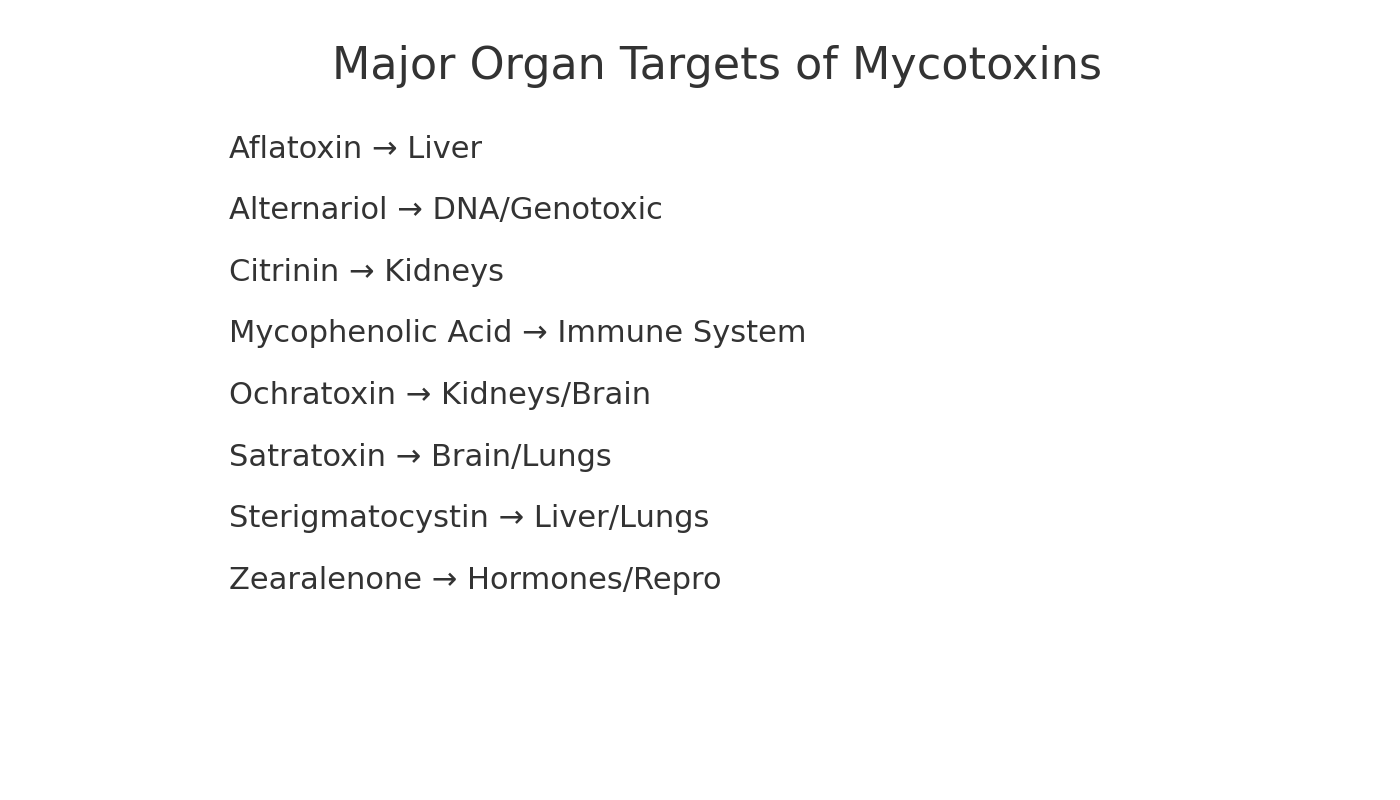
Aflatoxins
- Produced by: Aspergillus flavus and A. parasiticus
- Chemical class: Polyketide-derived coumarin lactones
- Mechanism: Converted in the liver to reactive epoxides that form DNA adducts (especially in the p53 tumor suppressor gene).
- Health effects:
- Acute: liver inflammation, abdominal pain, jaundice
- Chronic: hepatotoxicity, immune suppression, primary liver cancer
- References: Kumar et al., 2017
Alternariol
- Produced by: Alternaria species (water-damaged drywall, grains, fruits)
- Chemical class: Dibenzo-α-pyrone mycotoxin
- Mechanism: Genotoxic — intercalates with DNA, inhibits topoisomerase, and generates reactive oxygen species (ROS).
- Health effects:
- Asthma and allergic disease
- DNA damage leading to potential carcinogenesis
- Oxidative stress and premature cellular aging
- References: Solhaug et al., 2016
Chaetoglobosin
- Produced by: Chaetomium globosum
- Chemical class: Cytochalasan alkaloid
- Mechanism: Disrupts actin cytoskeleton by binding to filaments, impairing cellular transport and shape.
- Health effects:
- Cytotoxic — kills mammalian cells
- Can cause nail/skin infections
- References: Fogle et al., 2008
Citrinin
- Produced by: Penicillium, Aspergillus, Monascus species
- Chemical class: Benzopyran derivative (yellow crystalline)
- Mechanism: Generates ROS, disrupts mitochondria, causes renal tubular necrosis.
- Health effects:
- Acute: kidney damage
- Chronic: Balkan Endemic Nephropathy, embryotoxicity
- References: Doughari, 2015
Mycophenolic Acid
- Produced by: Penicillium brevicompactum, P. viridicatum
- Chemical class: Polyketide lactone
- Mechanism: Inhibits inosine monophosphate dehydrogenase (IMPDH), blocking guanine nucleotide synthesis in lymphocytes.
- Health effects:
- Potent immunosuppressant (used as drug CellCept in transplant medicine)
- Increases risk of infections, miscarriage, and birth defects
- References: Aleksic et al., 2017
Ochratoxin A
- Produced by: Aspergillus and Penicillium
- Chemical class: Chlorinated isocoumarin linked to phenylalanine
- Mechanism: Competes with phenylalanine in protein synthesis, causes mitochondrial oxidative stress.
- Health effects:
- Nephrotoxicity (tubulointerstitial fibrosis)
- Possible role in neurodegenerative disease (Alzheimer’s, Parkinson’s)
- References: Hope & Hope, 2012
Satratoxins (Macrocyclic Trichothecenes)
- Produced by: Stachybotrys chartarum (“toxic black mold”)
- Chemical class: Epoxytrichothecene sesquiterpenes
- Mechanism: Bind ribosomal subunit, block protein synthesis, cross the blood-brain barrier.
- Health effects:
- Respiratory inflammation, neurological symptoms, immune suppression
- Studied as potential biological warfare agents
- References: Karunasena et al., 2010
Stachybotrylactam
- Produced by: Stachybotrys chartarum
- Chemical class: Indole alkaloid
- Mechanism: Suppresses lymphocyte proliferation and cytokine signaling.
- Health effects:
- Immunosuppressive, allergic responses
- References: California Dept of Health, 1998
Sterigmatocystin
- Produced by: Aspergillus versicolor, Chaetomium
- Chemical class: Polyketide precursor to aflatoxin
- Mechanism: Metabolized into DNA-reactive epoxides → mutagenic.
- Health effects:
- Carcinogenic (liver and lung adenomas in animals)
- References: Fujii et al., 1976
Trichothecenes (e.g. T-2 toxin, DON)
- Produced by: Fusarium species
- Chemical class: Epoxy-sesquiterpenes
- Mechanism: Protein synthesis inhibition, lipid peroxidation.
- Health effects:
- Respiratory irritation, nausea, diarrhea
- Immune suppression, bleeding disorders
- References: Wannemacher & Wiener, 1997
Zearalenone
- Produced by: Fusarium graminearum, F. cerealis
- Chemical class: Resorcyclic acid lactone
- Mechanism: Binds to estrogen receptors, mimicking hormone action.
- Health effects:
- Infertility, miscarriage, feminization, hormone-sensitive cancers
- References: Hueza et al., 2014
How Mycotoxins Harm the Body
Most mycotoxins fall into one or more of these pathways of harm:
- DNA damage & carcinogenesis – aflatoxin, sterigmatocystin, alternariol
- Protein synthesis inhibition – satratoxins, trichothecenes, ochratoxin
- Immune suppression – mycophenolic acid, stachybotrylactam
- Oxidative stress & mitochondrial dysfunction – alternariol, citrinin
- Hormonal disruption – zearalenone
Detoxification and Recovery
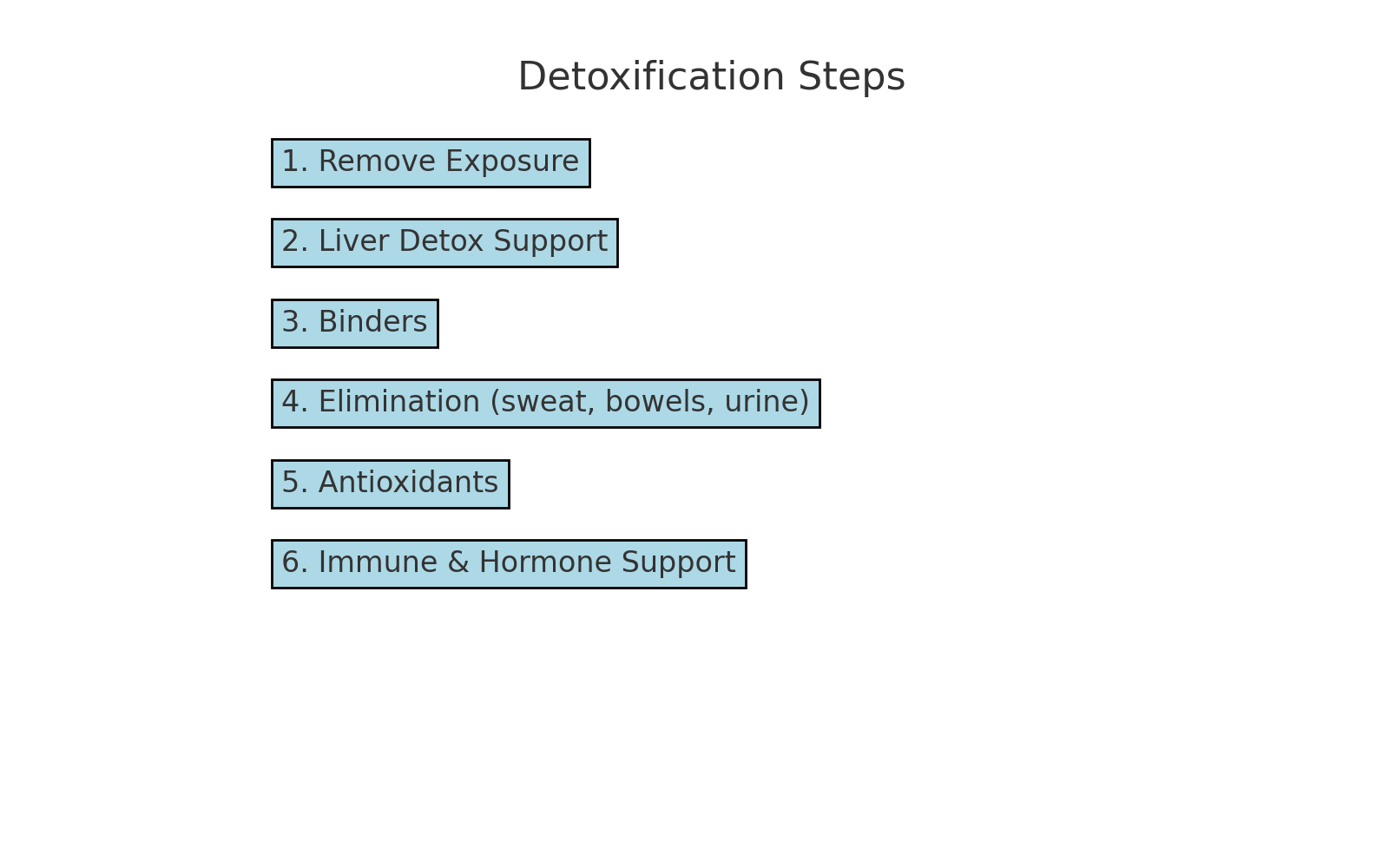
Because mycotoxins are fat-soluble and undergo enterohepatic recirculation, detoxification requires supporting multiple body systems.
1. Remove Exposure
- Remediate water damage, fix leaks, and use HEPA filtration.
- Avoid mold-contaminated foods.
2. Support Liver Detox
- Cruciferous vegetables (sulforaphane upregulates detox enzymes).
- Glutathione, NAC, selenium, and milk thistle for antioxidant defense.
3. Use Binders
- Cholestyramine, activated charcoal, bentonite clay, and zeolite trap toxins in the gut.
- Prevents enterohepatic recirculation.
4. Enhance Elimination
- Fiber + hydration for bowels
- Sweating (infrared sauna)
- Kidney support: nettle, dandelion, electrolytes
5. Antioxidant & Mitochondrial Repair
- Glutathione, CoQ10, omega-3s, vitamins C & E
6. Immune & Hormone Balance
- Medicinal mushrooms, vitamin D, zinc for immune resilience
- DIM, calcium-D-glucarate for estrogenic toxins like zearalenone
How Common Are Mycotoxins in Homes?
Mycotoxins are far more common in indoor environments than many realize. Studies estimate that 25–50% of homes and buildings have conditions suitable for mold growth, especially water-damaged materials like drywall, insulation, and carpet. Research following natural disasters (e.g., Hurricane Katrina) found toxigenic molds such as Stachybotrys and Chaetomium in nearly half of inspected homes, underscoring how widespread exposure risk can be (Rao et al., 2007). This means that everyday environments — not just visibly moldy houses — may harbor harmful mycotoxins.
Reference: Rao CY, et al. Appl Environ Microbiol. 2007;73(5):1630–1634.
Evaluating Your Home for Mycotoxin Risk
Since mycotoxins originate from mold growth, the most important step is assessing whether your home or workplace has hidden contamination. Many molds thrive in damp, low-light areas and can go unnoticed for years.
Signs Your Home May Have Mold or Mycotoxins
- Musty or earthy odor that persists, especially in basements, bathrooms, or closets
- Chronic condensation on windows or walls
- Discoloration on walls, ceilings, or around vents (black, green, or white patches)
- Warping, bubbling, or peeling paint/drywall
- Unexplained health symptoms (fatigue, brain fog, sinus issues) that improve when you leave the building
Common Sources of Water Issues in Homes
- Roof leaks (especially around flashing or chimneys)
- Plumbing leaks under sinks, behind toilets, or inside walls
- Basement flooding or foundation cracks
- Leaky windows or poor sealing around doors
- HVAC condensation or poorly maintained ductwork
- Poor ventilation in bathrooms, laundry rooms, and kitchens
Preventive Steps to Reduce Mold & Mycotoxins
Store food properly; grains, nuts, and coffee can harbor foodborne mycotoxins if damp
Keep indoor humidity below 50% (use dehumidifiers in basements and damp areas)
Fix leaks immediately — even small plumbing drips can lead to hidden colonies
Ensure bathrooms and kitchens are well ventilated (use exhaust fans)
Clean and service HVAC systems annually, replace filters with HEPA-rated filters
Use mold-resistant materials (paints, drywall) when renovating
Foods That Commonly Contain Mycotoxins
While water-damaged buildings are a major source of exposure, diet is another significant pathway for mycotoxins to enter the body. Molds that grow on crops, especially in warm and humid conditions, can produce toxins that persist even after processing or cooking.
High-risk foods include:
- Cereals & grains (wheat, corn, barley, oats, rice) → often contaminated with aflatoxin, ochratoxin, fumonisins, and deoxynivalenol (DON)
- Nuts & seeds (peanuts, pistachios, sunflower seeds) → frequently contaminated with aflatoxin
- Coffee & cocoa → can contain ochratoxin A if beans are stored improperly
- Dried fruits (figs, raisins, dates) → risk of ochratoxin and aflatoxin contamination
- Spices (chili, paprika, black pepper) → often imported and vulnerable to aflatoxin growth
- Animal products (milk, cheese, pork) → zearalenone and ochratoxin can appear when animals eat contaminated feed
The World Health Organization and European Food Safety Authority regularly issue reports noting that chronic low-level dietary exposure is linked to liver cancer, kidney disease, and hormonal disruption (WHO, 2018; EFSA, 2020).
Preventing Mycotoxins in Food – Is Organic Safer?
Mycotoxin prevention in the food supply is a global challenge, because toxins form before, during, and after harvest. Steps taken include:
- Crop management: Farmers rotate crops, use resistant plant strains, and control pests (insects damage kernels and make them more vulnerable to fungal invasion).
- Harvest practices: Ensuring crops are harvested at the right time — neither too wet (mold growth) nor too dry (kernel cracking).
- Storage control: Keeping grains, nuts, and coffee beans dry and below 13–14% moisture, with controlled temperature and aeration to prevent fungal growth.
- Food inspections: Agencies like the FDA and EFSA monitor foods for aflatoxin, ochratoxin, and fumonisins, with strict maximum allowable levels.
- Detox technologies: Sorting, washing, irradiation, and ozone treatment can reduce contamination, though none remove toxins completely once formed.
Organic vs. Conventional
- Organic food is not inherently safer in terms of mycotoxins.
- Conventional crops may use fungicides that reduce fungal growth, while organic farming avoids these chemicals, possibly allowing higher mold risk if crops aren’t carefully managed.
- However, organic systems often emphasize better soil health, crop rotation, and smaller-scale storage, which can reduce risks when well-managed.
- The consensus from EFSA and WHO is that both organic and conventional foods can be contaminated, and the key determinant is post-harvest handling and storage — not the label.
You can reduce dietary exposure to mycotoxins by choosing foods that are fresh, properly stored, and carefully sourced. Buy grains, nuts, and coffee from reputable suppliers who test for contaminants, and avoid products that look discolored, shriveled, or have a musty smell. Store dry goods in cool, airtight containers to keep moisture below 13–14%, since damp storage encourages mold growth. Washing, peeling, and cooking can reduce surface contamination, though they do not fully remove toxins once formed. Rotating your diet, eating a variety of foods, and including antioxidants (fruits, vegetables, green tea) can also help your body handle low-level exposures.
Symptoms of Mycotoxin Exposure After Consumption
When mycotoxins enter the body through contaminated food, symptoms can vary depending on the type of toxin, the dose, and the person’s underlying health. While mild exposures may go unnoticed, higher or chronic intake can trigger a wide range of health effects:
- Digestive symptoms: nausea, vomiting, abdominal pain, diarrhea, and loss of appetite (common with trichothecenes such as deoxynivalenol, also called “vomitoxin”).
- Liver symptoms: jaundice, abdominal swelling, and liver tenderness (aflatoxins are strongly hepatotoxic).
- Kidney symptoms: increased urination, swelling, flank pain, or laboratory signs of impaired kidney function (linked to citrinin and ochratoxin A).
- Immune effects: frequent colds, slow recovery from illness, or higher risk of infection (mycophenolic acid, stachybotrylactam).
- Neurological symptoms: headaches, brain fog, dizziness, memory issues, and in severe cases tremors or neuropathy (satratoxins, ochratoxin A).
- Hormonal and reproductive symptoms: irregular menstrual cycles, infertility, miscarriages, or breast tenderness (zearalenone mimics estrogen).
- Chronic long-term risks: immune suppression, liver cancer, kidney disease, and hormone-sensitive cancers.
Conclusion
Mycotoxins and health are inseparably linked: while mold spores cause allergies and sinus irritation, it is the chemical toxins that create deeper, long-lasting health challenges. From liver cancer (aflatoxin) to kidney damage (citrinin, ochratoxin), immune suppression (mycophenolic acid), and hormone disruption (zearalenone), these toxins illustrate just how profoundly our environment influences our biology.
The good news is that by removing exposure, supporting detox pathways, and using targeted binders and nutrients, recovery is possible. If you suspect mold exposure, work with a qualified environmental or functional medicine professional to design a personalized plan.
Protecting yourself against hidden mold toxins isn’t just about avoiding a damp basement — it’s about safeguarding your immune system, hormones, organs, and long-term vitality.