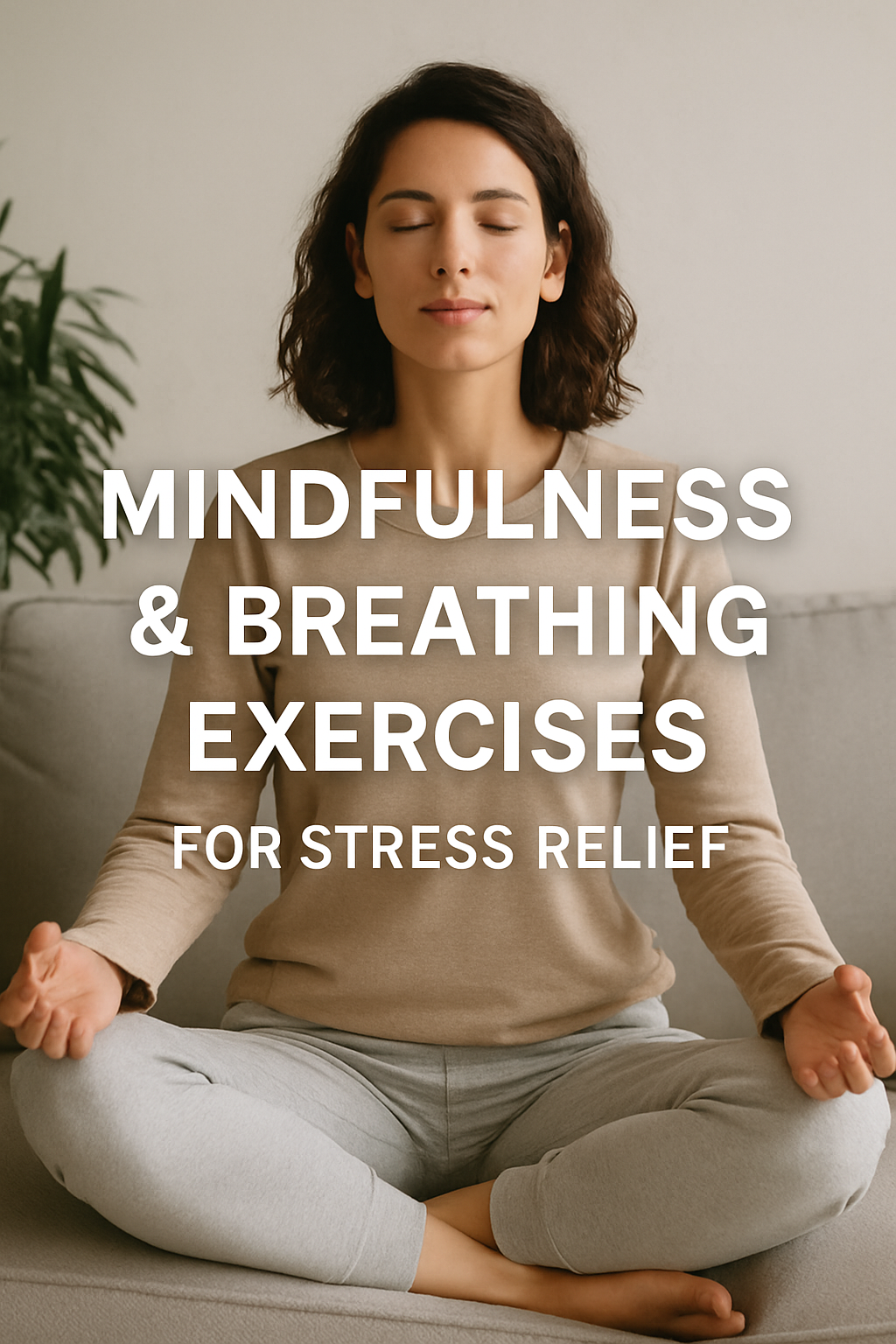
Stress is something nearly everyone experiences, whether it’s from work deadlines, family responsibilities, or unexpected life changes. While small amounts of stress can help us stay motivated, chronic stress takes a toll on the body and mind. Over time, it can interfere with sleep, digestion, focus, and overall well-being. Fortunately, simple daily practices like mindfulness and breathing exercises provide natural ways to calm the nervous system, improve resilience, and bring balance back into everyday life. Practicing Mindfulness & Breathing Exercises for Daily Stress Relief is the best way to counter daily stress.
Why Stress Management Matters
The human body is wired to respond to threats through the “fight or flight” response, releasing stress hormones like cortisol and adrenaline. While this reaction is helpful in emergencies, it becomes harmful when it’s constantly activated. Persistent stress can:
- Elevate blood pressure and strain the heart
- Disrupt digestion and immune function
- Contribute to anxiety and depression
- Reduce focus, creativity, and productivity
Managing stress isn’t about eliminating challenges from life but learning how to regulate the body’s response. That’s where mindfulness and breathing techniques come in.
What Is Mindfulness?
Mindfulness is the practice of bringing full attention to the present moment without judgment. Instead of replaying the past or worrying about the future, mindfulness anchors awareness to what is happening right now — often using the breath, body sensations, or environment as a focus.
Research shows mindfulness can:
- Lower stress hormone levels
- Improve emotional regulation
- Reduce anxiety and depressive symptoms
- Enhance concentration and memory
- Increase a sense of calm and overall well-being
The best part? Mindfulness can be practiced almost anywhere — at home, at work, or even during a short walk.
Simple Mindfulness Practices
1. Body Scan Meditation
- Sit or lie down comfortably.
- Bring your attention to your feet, noticing any sensations such as warmth, tingling, or tension.
- Gradually move your attention upward through the body — legs, abdomen, chest, arms, and head — observing sensations without trying to change them.
- If your mind wanders, gently return your focus to the body part you left off.
This practice helps reconnect the mind to the body and reduces physical tension often stored unconsciously.
2. Mindful Eating
- Choose a small piece of food, like a raisin or slice of fruit.
- Observe its texture, color, and scent.
- Place it in your mouth and notice how it feels before chewing.
- Chew slowly, paying attention to the taste and texture.
Even one mindful bite during a meal can shift your awareness and reduce rushed, distracted eating.
3. Mindful Walking
- Walk slowly, paying attention to the sensation of your feet touching the ground.
- Notice your breath and surroundings — the sound of birds, the feel of the breeze, the rhythm of your steps.
Mindful walking transforms even short breaks into calming resets.
The Power of Breathing Exercises
Breathing is automatic, but how we breathe strongly influences the nervous system. Shallow, rapid breathing often accompanies stress and anxiety, while deep, slow breathing activates the body’s relaxation response.
Deliberate breathing exercises can:
- Lower heart rate and blood pressure
- Relax tense muscles
- Increase oxygen flow for clearer thinking
- Calm racing thoughts and promote emotional stability
Breathing Techniques to Try
1. Diaphragmatic Breathing (Belly Breathing)
- Sit comfortably with one hand on your chest and the other on your belly.
- Inhale slowly through the nose, letting your belly rise while your chest stays mostly still.
- Exhale slowly through the mouth, feeling the belly fall.
- Continue for 5–10 minutes.
This technique strengthens the diaphragm and encourages full, calming breaths.
2. Box Breathing (Four-Square Breathing)
- Inhale through the nose for a slow count of four.
- Hold the breath for four counts.
- Exhale gently for four counts.
- Pause for another four counts before the next inhale.
This structured method is used by athletes, performers, and even military professionals to stay calm under pressure.
3. 4-7-8 Breathing
- Inhale quietly through the nose for a count of four.
- Hold the breath for a count of seven.
- Exhale audibly through the mouth for a count of eight.
- Repeat for four cycles.
This technique is especially helpful at bedtime to ease the mind into restful sleep.
4. Alternate Nostril Breathing
- Sit comfortably and place your right thumb over your right nostril.
- Inhale deeply through the left nostril.
- Close the left nostril with your ring finger, release the thumb, and exhale through the right nostril.
- Inhale through the right nostril, close it, and exhale through the left.
This practice balances both sides of the nervous system and promotes mental clarity.
Creating a Daily Routine
Mindfulness and breathing work best when practiced consistently, even in short bursts. Here are a few tips for integrating them into daily life:
- Start small: Begin with 2–3 minutes and gradually increase as it feels comfortable.
- Pair with daily habits: Practice mindful breathing before meals, during commutes, or right before bed.
- Use reminders: Set phone alarms or sticky notes to pause and take mindful breaths.
- Be patient: It’s natural for the mind to wander. The key is gently bringing focus back, over and over.
Final Thoughts
Mindfulness and breathing exercises are simple tools with profound effects. By practicing even a few minutes each day, you can retrain the nervous system to respond to stress with greater calm and resilience. These techniques don’t require special equipment or a quiet retreat — just your attention and your breath.
Daily practice builds not only relaxation but also a deeper awareness of how the mind and body interact, creating a foundation for healthier, more balanced living.