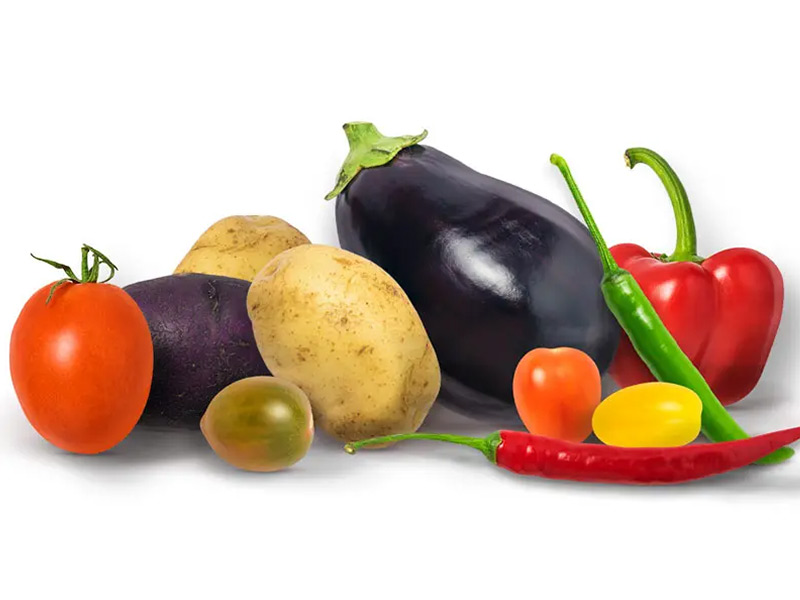
Should I avoid night shades is a common topic I hear in practice. Night shades are a group of vegetables that contain similar chemicals within them that have been associated with toxicity and inflammation. These vegetables are also very nutrient dense which begs the question should they be avoided. The answer is not straight forward because not everyone is affected the same by them. Some people have reactions to a small quantity of them while others are ok with small amounts but have ill affects when they eat to much or to often. I suggest that any patient I have that suffering from chronic pain, auto-immune disease, skin sensitivity or intestinal issues should do an avoidance for a 4 week period. If they feel a difference in their symptoms they know that night shades affect them but the next question is do all of them need to be avoided. We then suggest adding one at a time that they wish to have in their diet to test the affect on them. I also use Allergy Testing as a guide if elimination attempts are inconclusive. I always stress kinesiology has its limits but elimination followed by reintroduction is usually most accurate test.
Should you Avoid Night Shades, Here is the List
- Tomatoes (all varieties, and tomato products like marinara, ketchup, etc.)
- Tomatillos
- Potatoes (white and red potatoes. However, sweet potatoes are not nightshades.)
- Eggplant
- All peppers (bell peppers, jalapeno, chili peppers, and hot peppers)
- Red spices (curry powder, chili powder, cayenne powder, red pepper)
- Paprika
- Pimentos
- Tobacco
- Goji berries
- Ground cherries (different from regular cherries)
- Ashwagandha
What are the Common Adverse Reactions?
- Joint pain
- Inflammation
- Fatigue
- Migraines
- Skin flares
- Digestive distress
- Flares to any preexisting conditions
The History Behind Nightshades Being Considered “Bad”
Nightshades — a plant family that includes tomatoes, potatoes, peppers, and eggplants — have long carried a complicated reputation. Historically, this group of plants was feared in Europe because it also includes toxic varieties such as belladonna (deadly nightshade) and mandrake, both of which were associated with witchcraft, poisonings, and folklore. For centuries, people believed that anything from this plant family was dangerous. When tomatoes and potatoes were introduced to Europe from the Americas in the 16th century, many refused to eat them, fearing they were poisonous or linked to disease. This suspicion lasted well into the 18th and 19th centuries, when tomatoes were called “poison apples” because wealthy Europeans who ate them from pewter plates sometimes developed lead poisoning — wrongly blamed on the fruit itself.
In modern times, nightshades continue to be controversial in health circles. They contain alkaloids such as solanine and capsaicin, which in high doses can be toxic but in small amounts act as natural plant defenses. Some people, particularly those with autoimmune conditions, arthritis, or digestive sensitivities, report that nightshades worsen inflammation, joint pain, or gut issues. This has fueled popular diets, like the autoimmune protocol (AIP), which exclude nightshades altogether. While scientific evidence is mixed — and most people tolerate nightshades without problems — the historical association with poison and modern anecdotal reports of inflammation have kept the “bad reputation” of nightshades alive.